
Mood Disorders: Emotional Rollercoaster, No Seatbelt Included”
Learn about mood disorders among children, including causes, symptoms, treatment options, and how society may influence rising mental health challenges in young people.
LOVE
5/22/20262 min read

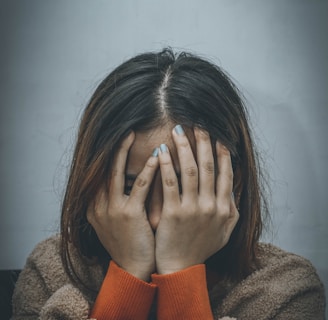
Mood disorders ?
Another name for mood disorders is Affective disorders.
Well! It is characterised by emotional state instability among individual of different age groups. Moreover, Bipolar disorder is also characterised by changes in mood, energy and disrupting ability to function.
Common mood disorders:
Depression
Dysthymia
Bipolar
Substance induced mood disorders
Classification :
Bipolar 1 disorder
Bipolar 2 disorder
Cyclothymic disorder
Mixed features
Bipolar 1 disorder:
It is characterized by severe mood changes from mania to depression. Mostly severe in nature.
Bipolar 2 disorder:
It is less severe form of mood elevation, mostly characterised by the milder episodes of the hypomania alternatively with episodes of severe depression.
Cyclothymic disorder:
Brief periods of hypomanic symptoms alternating with brief periods of depression. They are not as long lasting as seen in full episodes of hypomania and depression.
Mixed features:
Characterised by high energy, sleeplessness, racing thoughts as well as feeling of hopelessness, irritable and suicidal ideation.
Causes of mood disorders:
Research suggests that mood disorders may be caused by an imbalance in the chemicals in the brain and can be exacerbated by various stressful conditions or hereditary tendencies, however, the exact origin of the disorder is not understood very well.
Signs and Symptoms:
Chronic feeling of sadness
Hopelessness
Low or impaired self esteem
Extreme guilt
Running away or threatening to run away from home
Irritability
Suicidal ideation
Reduced energy
Struggle to concentrate
Sleeplessness
Reduced appetite
Treatment Modalities:
1) Pharmacotherapy: There are a few typical and atypical antipsychotics included in the regimen.
Lithium
Carbamazepine
Lamotrigine
Gabapentin
Topiramate
2) Atypical Antipsychotics, for instance, Clozapine, Olanzapine, Quetiapine and Risperidone.
3) Electroconvulsive therapy
4) Psychological:
Psychotherapy
Cognitive therapy
Behavioural therapy
Group therapy
Family therapy
So many treatment modalities, awareness campaigns, apps, motivational reels…. Yet the childhood is still missing ! Thousands of therapies have been created, counselling in schools and behavioural therapies but mood disorders are still climbing to the roof.
On top of everything, society gave children academic pressure, unrealistic expectations and goals in life, sleep deprivation and constant comparison…… then acted shocked that why mood disorder rates are increasing .
Well! It is evident that there is more to the story because children don’t just wake up in the morning and decide to develop mood disorders. Fun part of the story is that we always talk about treatment but rarely talk about the environment children are surviving in !
Clearly surviving but not thriving.